15 Micro Habits That Will Change Your Life

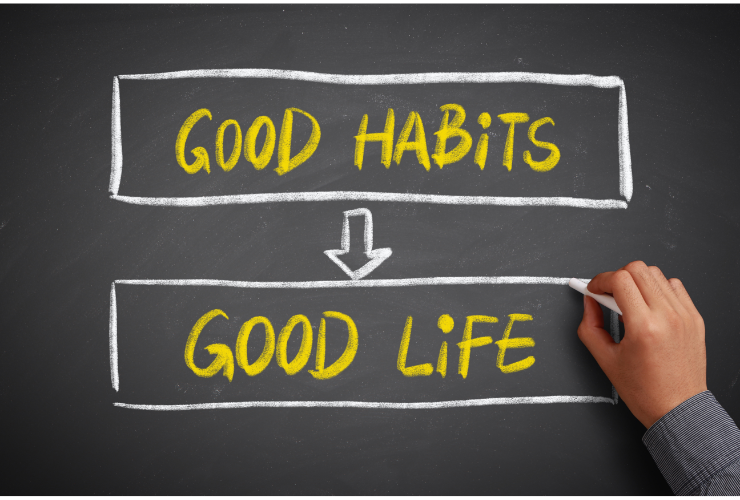
Big transformations rarely happen overnight. Real change usually begins quietly, almost unnoticed, through tiny actions repeated daily. James Clear explains in Atomic Habits that small habits don’t add up — they compound. Just like interest in a bank account, tiny behaviors grow into powerful results over time.
Science supports this idea. Neuroscience shows that repeated actions rewire neural pathways, making behaviors easier and more automatic. When habits are small, your brain resists less, which is why micro habits stick longer than drastic life changes.
Below are 15 small habits that seem simple on the surface, yet have the power to reshape your mindset, productivity, and emotional health.
You might Like: These 10 Habits Turn an Ordinary Woman into a Goddess
1. Make Your Bed Every Morning

This habit takes less than two minutes, yet it sets a tone of order and control. According to behavioral psychology, completing a small task early releases dopamine, giving your brain a sense of achievement.
James Clear emphasizes that habits are votes for the type of person you want to become. Making your bed is a vote for discipline and structure. Over time, this habit reinforces the identity of someone who follows through.
Studies from the National Sleep Foundation also show that people who make their beds are more likely to sleep better, which improves mood and focus throughout the day.
“Every action you take is a vote for the person you want to become.” — James Clear
2. Drink a Glass of Water Right After Waking Up
Hydration affects brain function more than most people realize. Even mild dehydration can reduce attention, memory, and mood.
This habit supports Atomic Habits’ idea of habit stacking. Pair drinking water with waking up, something you already do daily. Over time, your brain links the two actions naturally.
Neuroscience research shows proper hydration improves neurotransmitter balance, which helps regulate energy and focus. One glass may feel small, but repeated daily, it supports physical and mental clarity.
3. Read One Page a Day

Reading one page feels too easy to fail, which is exactly why it works. James Clear highlights that habits should feel almost effortless at first.
One page daily turns into several books a year without pressure. Studies from cognitive science show that consistent reading improves empathy, vocabulary, and mental flexibility.
This habit builds identity quietly. You stop trying to “read more” and slowly become someone who reads daily, without forcing motivation.
“Habits are easier to build when they fit into who you believe you are.” — James Clear
4. Write One Sentence About Your Day
Journaling does not require long pages to be effective. One sentence is enough to process emotions and reflect.
Psychological research from the University of Texas shows expressive writing reduces stress and improves emotional clarity. Writing one sentence removes overwhelm while keeping consistency.
Over time, this habit strengthens self-awareness, which is a foundation for personal growth. The brain begins recognizing patterns in thoughts and behavior.
5. Walk for Five Minutes

Movement signals safety and balance to the brain. Short walks lower cortisol levels and improve mood.
James Clear explains that habits should focus on showing up, not intensity. A five-minute walk builds the habit of movement without resistance.
Neuroscience confirms that even brief physical activity increases blood flow to the brain, improving creativity and decision-making.
6. Put Your Phone Away While Eating
Mindless eating affects digestion and satisfaction. This habit restores awareness.
Research in mindful eating shows that removing distractions improves gut-brain communication and emotional regulation. Your brain processes signals of fullness more accurately.
This small change builds presence and strengthens your ability to focus, something modern brains struggle with daily.
7. Say One Positive Thing to Yourself Daily

Your brain listens to your inner voice. Repeated negative self-talk strengthens fear-based neural pathways.
Studies in neuroplasticity show positive self-statements reshape emotional responses over time. One kind sentence daily slowly changes internal dialogue.
James Clear connects habits to identity. This habit reinforces the belief that you deserve respect, even from yourself.
“You do not rise to the level of your goals. You fall to the level of your systems.” — James Clear
8. Prepare Tomorrow’s Clothes at Night
Decision fatigue drains mental energy. Preparing clothes removes one decision from your morning.
Psychological research shows reducing early-day decisions improves focus and self-control later.
This habit supports Atomic Habits’ idea of environment design. You make good choices easier before willpower is needed.
9. Take Three Deep Breaths During Stress
Breathing directly affects the nervous system. Slow breathing activates the parasympathetic response, calming the brain.
Neuroscience research shows controlled breathing lowers anxiety and improves emotional regulation.
This habit creates a pause between emotion and reaction, strengthening self-control over time.
10. Clean One Small Area Daily
Clutter impacts mental clarity. Studies show messy environments increase stress and mental fatigue.
Cleaning one small area avoids overwhelm while reinforcing order. James Clear explains that consistency beats intensity in habit formation.
This habit trains your brain to associate action with relief and calm.
11. Go to Bed 10 Minutes Earlier

Sleep affects memory, mood, and focus. Small adjustments improve sleep quality without resistance.
Neuroscience confirms that consistent sleep routines support emotional stability and learning.
This habit supports long-term energy rather than short-term productivity.
12. Ask One Curious Question a Day
Curiosity strengthens learning pathways. Asking questions keeps the brain engaged and flexible.
Research shows curiosity improves memory retention and emotional intelligence.
This habit builds deeper connections and keeps conversations meaningful.
13. Smile at One Person
Smiling releases dopamine and oxytocin, improving mood for both people involved.
Behavioral science confirms that facial expressions influence emotional states, not just reflect them.
This habit improves social confidence and emotional warmth.
14. Write One Priority for the Day
Clarity reduces anxiety. Writing one priority gives direction without pressure.
James Clear emphasizes focus on systems rather than overwhelming to-do lists.
Research shows single-task focus improves completion rates and mental satisfaction.
15. Reflect on One Small Win
Your brain remembers failures more easily than progress. Reflection corrects this imbalance.
Neuroscience shows celebrating small wins increases motivation through dopamine reinforcement.
This habit strengthens confidence and keeps momentum alive.
“Success is the product of daily habits, not once-in-a-lifetime transformations.” — James Clear
Final Thoughts
Micro habits work because they respect how the brain actually changes. Small actions repeated daily reshape identity, behavior, and emotional health. When habits feel manageable, consistency becomes natural. Over time, these tiny choices create a life that feels intentional rather than forced.