7 Great Things to Have When You Live Alone


The first night I lived alone, the silence felt louder than any noise I had known before. No footsteps in the hallway. No voices drifting in from another room. Just me, a small lamp, and a cup of tea that went cold while I sat on the floor wondering if I had made a mistake.
Weeks later, that same silence became comforting. I started hearing my own thoughts more clearly. Living alone taught me that the right things around you can turn loneliness into freedom, and emptiness into calm.
Living alone is not about isolation. It is about creating a space that supports your mind, body, and emotions. Having the right things can make this experience healthier, happier, and more meaningful.
You might like: How to Organize Your Life in 2026
1. A Safe and Comfortable Sleeping Space

When you live alone, your bed becomes more than a place to sleep. It becomes your recovery zone. Quality sleep has a strong link with mental health, emotional stability, and physical energy. A comfortable mattress, clean sheets, and soft lighting can completely change how you feel in your own space.
Scientific studies show that poor sleep increases cortisol levels, the hormone linked with stress and anxiety. People who sleep well have better emotional regulation and decision-making abilities. Your brain repairs itself during deep sleep, especially when you feel safe and relaxed.
Creating a peaceful sleeping area also helps your nervous system calm down at night. This is especially important when no one else is around to offer comfort. Your bedroom should feel like a quiet promise that you are cared for.
2. A Small Routine That Grounds You

Living alone gives freedom, but without structure, days can blur together. A simple routine helps your brain feel stable. It does not need to be strict. Even small habits like morning tea, evening walks, or journaling before bed can bring balance.
Neuroscience research shows that routines reduce mental fatigue. When the brain knows what to expect, it uses less energy on stress responses. This leads to better focus and emotional control.
A grounding routine also creates a sense of purpose. It reminds you that your days matter, even when no one is watching. These small repeated actions quietly build self-discipline and inner peace.
3. A Way to Stay Connected With Others

Living alone does not mean living disconnected. Having easy ways to stay in touch with people you care about is important for emotional health. Regular calls, messages, or shared activities online can reduce feelings of isolation.
Studies in social neuroscience show that human connection lowers stress hormones and improves immune response. Even brief conversations can activate parts of the brain linked with safety and belonging.
When you live alone, social connection becomes a choice rather than a background presence. This makes relationships more intentional and meaningful. Staying connected reminds you that independence and connection can exist together.
4. A Creative or Relaxing Hobby
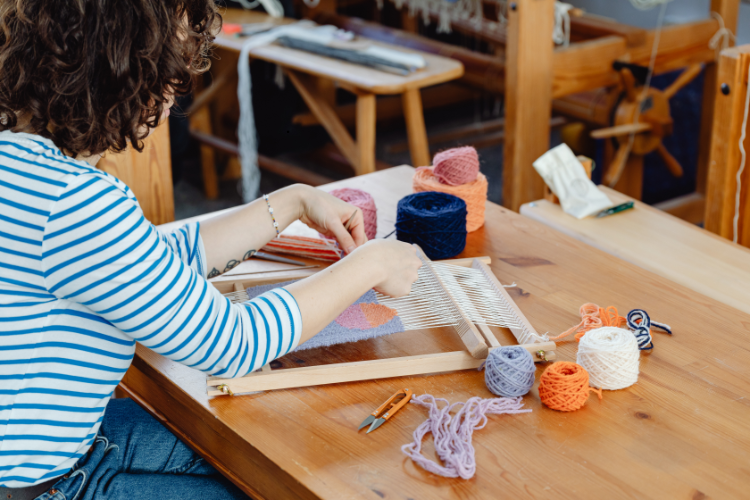
Your alone time can become rich when you have something that absorbs your attention in a healthy way. Reading, painting, cooking, writing, or even gardening can bring calm and joy. These activities give your mind a break from overthinking.
Research shows that creative hobbies activate the brain’s reward system and reduce symptoms of anxiety and depression. They increase dopamine, which is associated with motivation and pleasure.
Having a hobby also builds a stronger relationship with yourself. You learn what excites you, what relaxes you, and how you enjoy spending time. This self-knowledge grows naturally when you live alone.
5. A Well-Stocked Kitchen With Comfort Foods

Food carries emotional meaning, especially when you live alone. A kitchen with basic healthy ingredients and a few comfort items can support both physical and emotional well-being. Cooking for yourself is an act of care.
Nutrition research shows that balanced meals help regulate mood by supporting neurotransmitters like serotonin. Skipping meals or eating poorly can affect emotional stability and energy levels.
Comfort foods also matter. They bring familiarity and warmth on difficult days. When you prepare meals for yourself, you reinforce the idea that you deserve nourishment, even when no one else is there to remind you.
6. A Sense of Personal Safety

Feeling safe in your own home is essential when you live alone. This includes physical safety like secure locks and good lighting, but also emotional safety. Your space should feel protective, not stressful.
Psychology studies show that a sense of safety allows the brain to relax and reduces chronic stress. When the brain feels unsafe, it stays alert, leading to anxiety and exhaustion over time.
Personal safety also includes trusting yourself. Learning basic problem-solving skills and knowing how to handle small challenges builds confidence. That confidence grows into emotional independence and self-trust.
7. A Positive Relationship With Yourself

The most important thing to have when you live alone is kindness toward yourself. Alone time brings your thoughts to the surface. How you speak to yourself during these moments shapes your mental health.
Research on self-compassion shows that people who treat themselves kindly experience lower stress, fewer negative thoughts, and better emotional resilience. Your brain responds positively when self-criticism is replaced with understanding.
Living alone gives you the chance to become your own friend. When you learn to enjoy your own company, loneliness loses its power. This relationship with yourself becomes a strong foundation for every future connection.
Final Thoughts
Living alone is not a lack—it is an opportunity. With the right things around you and the right mindset, it can become a season of growth, healing, and self-discovery. Your home becomes a reflection of how you care for yourself. And in that quiet space, you often find strength you never knew you had.