When a Man Regrets Marrying His Wife, He’ll Constantly Display These 8 Signs

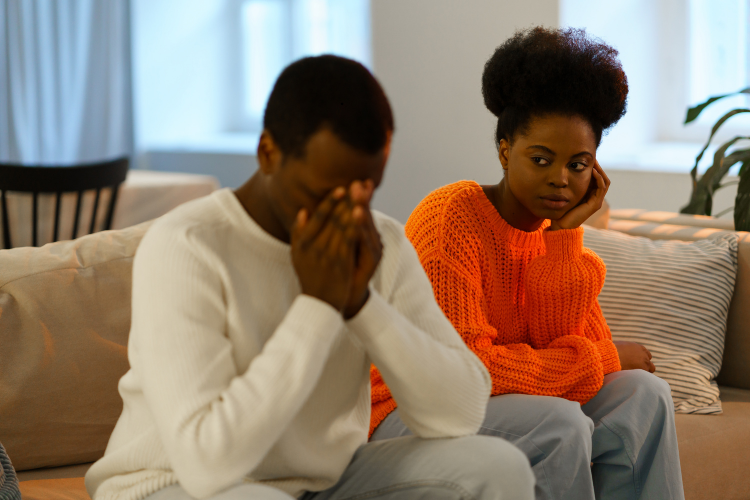
A woman once sat across from me in a quiet counseling room and said, “He’s here… but he’s not really here.” She wasn’t talking about absence in the physical sense. Her husband came home every night, ate dinner, slept beside her.
Yet something felt missing. The warmth, the effort, the curiosity about her life—it had all faded. What hurt most was not the conflict, but the emotional distance she could never quite explain.
Marriage regret rarely announces itself directly. It shows up in patterns, behavior shifts, and emotional withdrawal. As a relationship expert, I’ve seen that when a man regrets marrying his wife, it often leaks out through consistent, subtle signs rather than honest words.
You might like: If God Wants You to Be With Someone, You Will See These 9 Signs
1. He Becomes Emotionally Disconnected
One of the earliest signs of regret is emotional withdrawal. He stops sharing thoughts, feelings, and experiences the way he once did. Conversations become shallow and functional, focused only on logistics.
Research on emotional intimacy shows that long-term bonds rely on ongoing emotional exchange. When a man regrets his marriage, his brain begins protecting itself by limiting emotional investment. This emotional distancing reduces vulnerability but also weakens attachment.
Over time, his wife may feel unseen or unheard. This isn’t always intentional cruelty—it’s often emotional shutdown caused by unresolved dissatisfaction.
2. He Avoids Spending Time at Home
A man who regrets his marriage often finds reasons to stay away. Extra work hours, excessive screen time, frequent outings, or constant distractions become routine.
Behavioral psychology explains this as avoidance coping. When emotional discomfort is present, the brain seeks escape rather than resolution. Home begins to feel emotionally heavy rather than comforting.
The issue isn’t busyness—it’s preference. When time away feels easier than time together, it signals emotional disengagement.
3. He Shows Chronic Irritation or Criticism
Small things begin to bother him excessively. Minor habits turn into major frustrations. His tone becomes sharp, impatient, or dismissive.
According to relationship research by Dr. John Gottman, persistent criticism is one of the strongest predictors of relationship breakdown. It often masks deeper resentment or regret.
Instead of addressing internal dissatisfaction, the frustration gets projected outward. Over time, this erodes emotional safety within the marriage.
4. He Stops Making an Effort
Effort fades when emotional commitment weakens. He no longer initiates plans, shows appreciation, or invests energy into the relationship.
Neuroscience shows that motivation is closely tied to emotional reward. When a man feels trapped or regretful, the brain reduces dopamine-driven effort related to the relationship.
This doesn’t mean he is lazy in all areas of life—often, effort remains high elsewhere. The absence of effort toward his wife becomes a quiet but powerful signal.
5. He Compares His Life to Others
Regret often brings comparison. He may idealize other marriages, single life, or past relationships. Statements like “things could’ve been different” appear more often.
Cognitive psychology explains this through counterfactual thinking—imagining alternate realities when dissatisfaction is present. These thoughts reinforce regret rather than resolve it.
Such comparisons create emotional distance and prevent gratitude, making it harder for the marriage to recover naturally.
6. He Avoids Deep Conversations About the Relationship
When asked about feelings or future plans, he shuts down or changes the subject. Emotional discussions feel threatening because they might force honesty he isn’t ready for.
Studies on emotional avoidance show that suppressing feelings increases internal stress while reducing relationship satisfaction. Silence becomes a defense mechanism.
Over time, unresolved emotions build pressure, making communication even harder and reinforcing emotional disconnection.
7. He Invests More Emotion Elsewhere
This doesn’t always mean infidelity. It can show up as excessive focus on work, friends, hobbies, or online spaces where emotional engagement feels safer.
Attachment research suggests that when primary emotional bonds weaken, people subconsciously redirect emotional energy to alternative sources.
His wife may sense that she is no longer his emotional priority, even if no obvious betrayal exists.
8. He Expresses Regret Indirectly
Rarely does a man say, “I regret marrying you.” Instead, regret appears through phrases like “I feel stuck,” “This isn’t what I imagined,” or “I’m not happy anymore.”
Psychological studies show that indirect communication is common when guilt and fear coexist. He may regret the marriage while still caring about his wife.
These statements reflect inner conflict rather than cruelty—but they should never be ignored.
Final Thoughts
Marriage regret is complex. It doesn’t always mean lack of love, but it often signals unmet needs, emotional disconnection, or unresolved expectations. Recognizing these signs early opens the door to honest conversation, counseling, and potential healing. Silence, however, allows regret to harden into resentment.