5 Japanese Healthy Habits for a Better Life

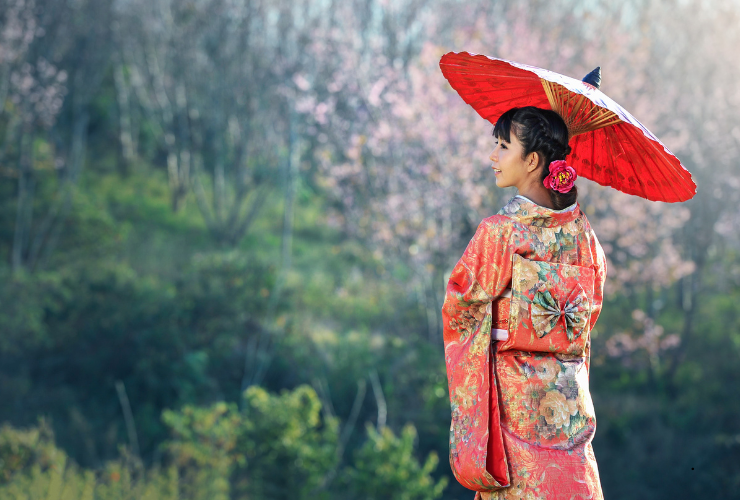
A few years ago, I felt tired all the time. My days were busy, my mind was noisy, and even small problems felt heavy. One day, while scrolling late at night, I read about how people in Japan live long, calm, and healthy lives. That moment changed something in me. I didn’t move to Japan or change my whole life overnight. I simply started copying small Japanese habits—one by one. Slowly, my energy came back. My mind felt lighter. And life started to feel more balanced again. Today, I want to share 5 Japanese healthy habits that truly helped me and can help you too.
1. Ikigai – Find Your Reason to Wake Up
In Japan, people believe in Ikigai, which means a reason to live or a reason to wake up every morning.
Your Ikigai does not have to be big.
It can be:
- Helping your family
- Learning a new skill
- Creating content you love
- Becoming a better version of yourself
When I stopped chasing everything and focused on why I do things, my stress reduced. Life felt meaningful again.
Try this today:
Ask yourself: What makes me feel useful and happy at the same time?
That answer is your Ikigai.
2. Hara Hachi Bu – Stop Eating Before You’re Full
One powerful Japanese habit is Hara Hachi Bu, which means eat until you are 80% full.
In Japan, people don’t eat until they feel heavy. They stop a little earlier. This helps:
- Better digestion
- More energy
- Less overeating
- Long-term health
I tried this habit, and honestly, it was hard at first. But after a week, my body felt lighter, and my sleep improved.
Simple tip:
Eat slowly. When you feel “almost full,” stop. Your body will thank you.
3. Daily Walking – Move Your Body Gently
Japanese people walk a lot. Not for exercise only—but as a lifestyle.
They walk to:
- Shops
- Stations
- Parks
- Work
No pressure. No extreme workouts. Just daily movement.
When I added daily walking to my routine, my mood improved. My thoughts became clearer. Walking became my quiet time.
You don’t need a gym.
Just walk 15–30 minutes a day. Consistency matters more than speed.
4. Shinrin-Yoku – Heal Yourself with Nature
Shinrin-Yoku means forest bathing. It’s about spending time in nature without distractions.
Japanese people believe nature heals the mind and body.
And it’s true.
Whenever I felt overwhelmed, I went outside. I left my phone in my pocket. I listened to birds. I watched the sky. My stress slowly melted away.
You can try this even in a city:
- Sit in a park
- Stand near trees
- Watch sunrise or sunset
Nature doesn’t rush—and it teaches us not to rush either.
5. Kaizen – Improve Yourself a Little Every Day
Kaizen means small improvement every day.
Instead of big goals, Japanese culture focuses on tiny daily progress.
- Read 2 pages
- Wake up 10 minutes earlier
- Drink more water
- Learn one new word
When I stopped trying to change everything at once and focused on small steps, I stopped feeling overwhelmed.
Remember:
Small progress daily = Big change over time.
Final Thoughts
These Japanese healthy habits didn’t change my life in one day.
They changed my life slowly, gently, and naturally.
You don’t need to be perfect.
You don’t need to copy everything.
Just pick one habit and start today.
A better life doesn’t begin with pressure.
It begins with small, kind changes—toward yourself.
If I can do it, you can too 🌱