A Lost Art of Simple Home Life

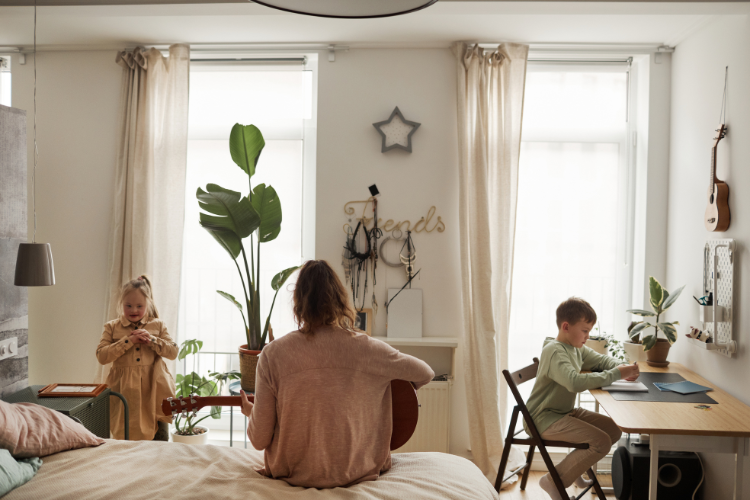
There was a time when home felt slower. Evenings meant sitting together without screens, meals were shared without rush, and silence didn’t feel uncomfortable. The house didn’t need to look perfect—it only needed to feel safe. Many of us grew up watching elders water plants every morning, fold laundry while talking, or sit quietly with a cup of tea as the day ended. Somewhere along the way, we replaced presence with productivity and comfort with constant noise.
The idea of a simple home life isn’t outdated. It’s forgotten. And science now confirms what our hearts already know: simplicity at home supports mental health, emotional balance, and long-term well-being.
You might like: 10 Ways to Increase Your IQ (Backed by Science)
What Simple Home Life Really Means Today
Simple home life does not mean living without comfort or modern tools. It means creating an environment where your nervous system can relax. A home where life feels manageable, not rushed.
In simple living homes, routines matter more than aesthetics. Meals are eaten mindfully. Mornings begin without panic. Evenings wind down naturally. The focus shifts from doing more to feeling better.
Psychology research shows that predictable, calm home routines reduce anxiety and decision fatigue. When the brain knows what to expect, stress hormones drop.
Simple home life is about intention—choosing fewer distractions, fewer commitments, and more meaningful moments. It’s a lifestyle rooted in awareness, not restriction.
How Modern Life Pushed Simplicity Away
Technology made life faster, but not calmer. Homes turned into workspaces, entertainment hubs, and endless notification zones. The line between rest and responsibility disappeared.
Studies from the American Psychological Association show that constant digital stimulation keeps the brain in alert mode. This prevents proper emotional recovery. Homes stopped being places of rest and became extensions of stress.
Earlier generations had natural pauses—sunset meant slowing down. Today, artificial light and screens keep the brain active late into the night. Sleep quality suffers, and mental fatigue increases.
The loss of simple home life didn’t happen suddenly. It happened quietly, one habit at a time.
The Science Behind Calm Homes and Mental Health
Your home environment directly affects your brain. Neuroscience studies show that cluttered and noisy spaces increase cortisol, the stress hormone. Calm, organized environments support focus and emotional regulation.
A study published in Personality and Social Psychology Bulletin found that people who described their homes as restful experienced better mood and lower fatigue. This effect was strongest for those who spent more time at home.
Simple home living reduces cognitive overload. Fewer visual distractions allow the brain to process thoughts more clearly. This leads to improved decision-making and emotional balance.
A calm home does not need to be minimal—it needs to feel supportive.
Simple Daily Rituals That Create Peace
Simple home life grows through small rituals, not big changes. These rituals create emotional anchors throughout the day.
Morning light through open windows. Beds made slowly, not perfectly. A cup of tea held with both hands. These moments signal safety to the brain.
Neuroscience research shows that rituals lower anxiety because they create familiarity and control. Even simple actions repeated daily build emotional security.
Evening routines matter just as much. Dimming lights, quiet conversations, or journaling before sleep helps the nervous system shift into rest mode.
These habits don’t cost money. They require attention.
The Role of Slowness in Family and Connection
Simple home life strengthens relationships. When life slows down, people notice each other again. Conversations stretch longer. Listening improves.
Harvard’s long-term happiness study shows that strong relationships are the biggest predictor of life satisfaction. These bonds are built through time and presence, not events or possessions.
Shared meals, even simple ones, improve emotional connection. Studies show families who eat together regularly experience lower stress and better communication.
Slowness allows emotions to surface naturally. It creates space for laughter, reflection, and understanding—things speed always steals.
Why Nostalgia Feels Comforting to the Brain
Nostalgia isn’t just emotional—it’s neurological. Research published in Emotion Journal shows that nostalgic memories increase feelings of belonging and emotional warmth.
When we remember simple home moments, the brain releases dopamine and oxytocin. These chemicals support emotional safety and connection.
This explains why people crave older routines during stressful times. The brain remembers when life felt manageable.
Recreating simple home habits is not about living in the past. It’s about restoring what helped us feel grounded.
Simple Home Life and Children’s Development
Children thrive in calm environments. Studies in developmental psychology show that predictable routines improve emotional regulation and attention in children.
Simple homes reduce overstimulation. Fewer toys, fewer screens, and more unstructured time allow creativity to grow.
Children raised in calmer households show better stress management later in life. They learn that home is a place to reset, not perform.
Simple living at home teaches values through experience—patience, presence, and gratitude.
How to Bring Back Simple Home Living
Start small. Choose one room or one routine to slow down. Remove what distracts peace, not what looks unnecessary.
Create device-free zones or hours. Let silence exist without filling it. Allow boredom—it often leads to creativity and calm.
Prioritize comfort over perfection. A home should feel lived in, not staged.
Simple home life is not about copying someone else’s lifestyle. It’s about designing a space where your body and mind feel safe.
Final Thoughts
The lost art of simple home life isn’t truly lost. It’s waiting to be remembered. In a world that moves fast, choosing simplicity is an act of care. Home should not drain you—it should restore you. Sometimes, the most meaningful life begins when we slow down enough to live it.