How to Reset Your Life in 7 Days: A Killer Checklist That Changed My Life Forever


I still remember the morning I sat on the edge of my bed, staring at the floor, feeling like my life was running on autopilot. Days blended into each other. I was tired but couldn’t sleep properly.
Busy but getting nowhere. That morning, I didn’t feel dramatic or broken—I felt numb. I wrote one simple sentence in my notebook: “Something has to change, and it has to start now.” I didn’t plan a perfect life makeover. I planned seven small days. Those seven days slowly pulled me out of a fog I didn’t even know I was stuck in.
This is not about fixing everything overnight. It’s about resetting your system—your mind, habits, and direction—step by step.
Day 1: Clear Your Mental Clutter
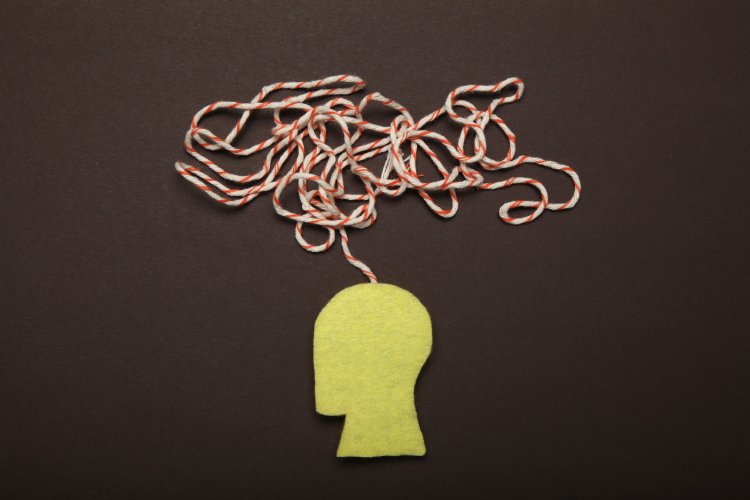
The first reset starts inside your head. Your brain carries unfinished thoughts, worries, and reminders that quietly drain energy. On Day 1, your only job is to unload them. Write everything down—tasks, fears, ideas, regrets—without organizing or judging. This process is known as cognitive offloading, and research from the University of Texas shows it reduces mental strain and improves focus.
Your brain treats written thoughts differently than stored thoughts. When they are written, the brain relaxes its grip. Stress hormones like cortisol begin to lower. This is why journaling is linked with emotional regulation and reduced anxiety.
After writing, take five minutes of silence. No phone. No music. Just breathe. This allows your nervous system to move out of constant alert mode. Mental clarity is not about thinking more—it’s about thinking less, but better.
You might like: How to Organize Your Life in 2026
Day 2: Reset Your Sleep and Body Clock

Sleep is the base layer of every life reset. Without it, motivation and discipline struggle to exist. On Day 2, focus on resetting your sleep rhythm. Go to bed and wake up at the same time, even if sleep feels restless at first.
Neuroscience research shows that consistent sleep timing strengthens the circadian rhythm, which controls mood, energy, and hormone balance. Poor sleep increases emotional reactivity and negative thinking. Good sleep improves memory, decision-making, and emotional stability.
Avoid screens one hour before bed. Blue light interferes with melatonin production, the hormone responsible for sleep. Instead, dim the lights, stretch lightly, or read something calm. Rest is not laziness—it is biological repair.
Day 3: Clean Your Physical Space

Your environment shapes your behavior more than willpower ever could. On Day 3, clean one main area where you spend the most time. A room, a desk, or even just your bag. Physical clutter quietly creates mental overload.
Studies in environmental psychology show that clutter increases stress and lowers concentration. When your space is chaotic, your brain mirrors that chaos. Cleaning sends a signal of control and order to your mind.
Do not aim for perfection. Aim for visible change. Throw away what no longer serves you. Keep only what feels useful or meaningful. A clear space supports clearer decisions and calmer emotions without you realizing it consciously.
Day 4: Reset Your Digital Habits

Your phone trains your attention every single day. On Day 4, reset how you interact with it. Remove apps that trigger comparison, anxiety, or endless scrolling. Turn off unnecessary notifications.
Research from Stanford University shows that constant digital interruptions reduce focus and increase mental fatigue. Dopamine spikes from social media make real-life tasks feel boring and heavy. Reducing screen exposure helps your brain regain sensitivity to simple rewards.
Set specific times to check messages instead of reacting all day. This helps your brain exit survival mode and enter intentional thinking. You don’t need to disappear from the world—just stop letting it pull you in every minute.
Day 5: Move Your Body With Intention

Movement is emotional medicine. On Day 5, choose any form of movement that feels manageable. Walking, stretching, or light exercise all count. The goal is consistency, not intensity.
Scientific studies confirm that physical movement increases endorphins and serotonin, which improve mood and reduce symptoms of depression. Exercise also boosts brain-derived neurotrophic factor (BDNF), a protein that supports learning and emotional resilience.
Move without punishing yourself. Do it as care, not correction. When your body feels supported, your mind follows. Even ten minutes of movement can shift your emotional state more than hours of overthinking.
Day 6: Reconnect With Your Values

This is the day where direction starts to return. Ask yourself simple questions: What matters to me right now? What drains me? What gives me energy? Write honest answers, not impressive ones.
Psychological research shows that value-based living improves long-term satisfaction and reduces internal conflict. When your actions align with your values, your brain experiences less friction and more motivation.
You don’t need a five-year plan. You need clarity for the next step. Choose one small action that matches your values and commit to it. Meaning creates momentum, even in small doses.
Day 7: Design Your New Normal

The final day is about keeping the reset alive. Look back at what felt good during the week. Sleep, writing, movement, silence—these are not temporary fixes. They are tools.
Habit science explains that repetition builds neural pathways. The behaviors you repeat become automatic over time. Choose three habits from this week that felt natural and realistic. Protect them.
Create a simple checklist for your daily life. Not a strict routine, but a gentle structure. Life resets do not fail because people are weak. They fail because systems are missing. Build a system that supports the person you are becoming.
Final Thoughts
You don’t need to disappear, quit everything, or become someone new to reset your life. You need space, intention, and a few honest days with yourself. These seven days didn’t make my life perfect—but they made it mine again. And sometimes, that is more than enough to change everything.