
10 Warning Signs Of Mental Burnout You Shouldn’t Ignore


I spent the past week running from one ceremony to another for my cousin’s wedding. It was fun, but by the end, I had nothing left in me.
When it was finally over, I woke up completely drained. Still, I forced myself to get things done, pretending I had energy I didn’t. I wasted two days trying to be “productive” instead of just slowing down and resting.
That’s what happens when we ignore the signs of mental burnout. We push ourselves to act fine when our minds are begging for a break.
I’ve been through burnout before—working too much, spending time with people who drained me, or putting everything else ahead of my mental health. Every time I ignored the warning signs, things only got worse.
In this post, I want to talk about the common signs of mental burnout and share a few simple self-care steps that have helped me recover.
Don’t Miss: 10 Amazing Habits Of Motivated People That Will Inspire You
1. You wake up tired no matter how much you sleep
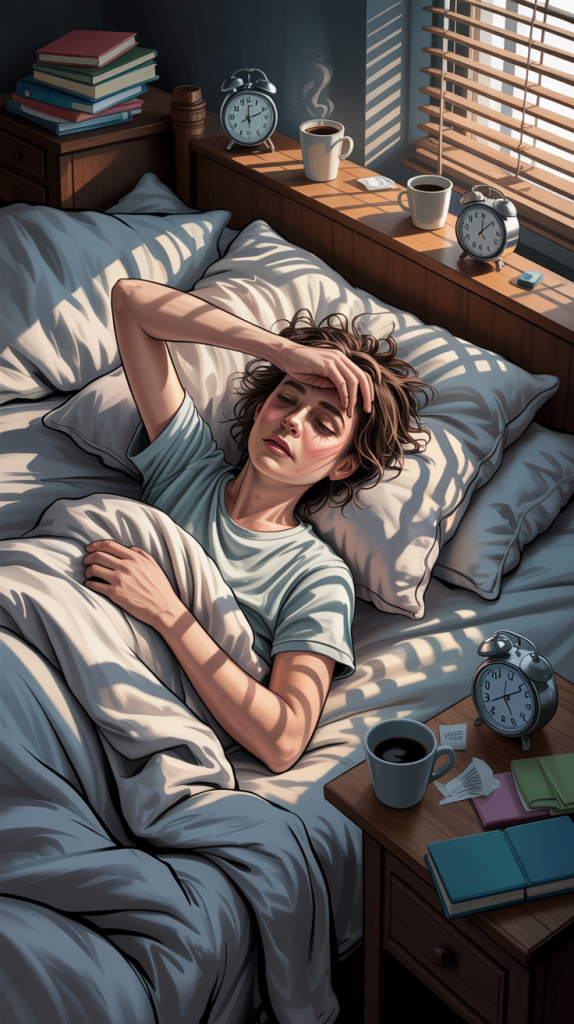
This was one of the first signs I noticed.
I could sleep for ten hours and still wake up feeling like I hadn’t rested at all.
My body wasn’t just tired—it was heavy.
Even simple tasks like brushing my teeth or making breakfast felt like a chore.
When I started taking short naps and letting myself rest without guilt, things slowly improved.
Sometimes rest doesn’t mean sleeping more—it means giving yourself permission to stop doing everything for a while.
2. You lose interest in things you used to enjoy
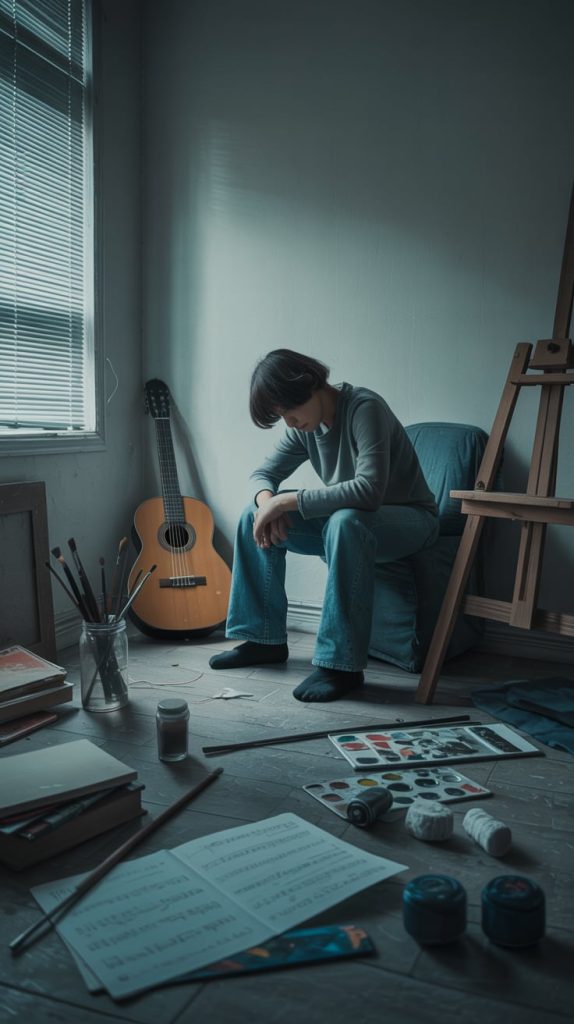
I used to love reading, journaling, and going out with friends.
But when burnout hit, all of that felt like too much effort.
I’d scroll through my phone instead, doing nothing but still feeling tired.
If this sounds familiar, it’s not laziness—it’s burnout talking.
What helped me was starting small again.
I’d read one page, take a short walk, or just sit outside.
Slowly, those little things began to bring joy back into my days.
3. Everything irritates you
When I’m burned out, I lose patience fast.
The smallest things—someone chewing loudly, a slow internet connection, even a text message—make me snap.
That’s when I know my stress has reached its limit.
What helps is giving myself space.
I stop forcing conversations and spend some quiet time alone.
It’s not about avoiding people—it’s about giving my brain room to breathe again.
4. You can’t focus on anything

When burnout sets in, my mind turns foggy.
I’ll read the same sentence three times and still not remember what it said.
It’s like my brain refuses to cooperate.
To fix this, I started taking frequent breaks.
Even five minutes away from my screen helped reset my mind.
I also stopped multitasking and focused on one thing at a time.
Productivity doesn’t come from doing more—it comes from having the energy to think clearly.
5. You feel detached from your emotions
This one hit me hard.
I wasn’t sad or angry—I just felt nothing.
It’s like my emotions were turned off, and I was watching life from a distance.
That’s one of the deeper signs of mental burnout—your mind protects itself by shutting down emotionally.
I had to remind myself that it was okay to feel again, even if it was uncomfortable at first.
Talking to a close friend helped me reconnect with my emotions and remember that I wasn’t broken.
6. You keep getting sick or run-down
I used to think burnout was only mental.
Then I noticed my body getting sick more often—headaches, sore throats, constant colds.
That’s when I realized burnout affects every part of you.
Now I pay attention to what my body tells me.
When I start getting sick, I take it as a sign to slow down.
Rest, proper meals, and hydration are not optional—they’re the basics of recovery.
7. You feel trapped in your routine
When every day feels the same, and nothing excites you anymore, burnout might be creeping in.
For me, it felt like living on autopilot.
I’d go through the motions—work, eat, sleep—but none of it meant anything.
Breaking that pattern helped.
Sometimes it’s as simple as changing where I work, taking a short trip, or even rearranging my room.
Small changes can remind your brain that life isn’t just a cycle—it can be lived with intention again.
8. You overthink everything
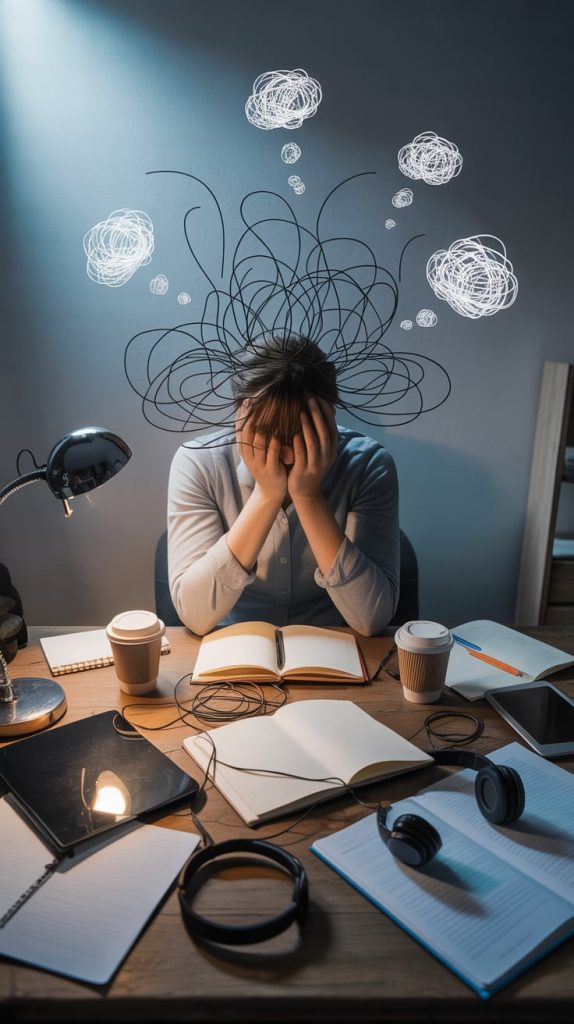
Burnout made me question every decision.
I’d second-guess my messages, my work, even small daily choices.
It wasn’t that I didn’t know what to do—I just didn’t trust myself anymore.
I had to practice being kinder to myself.
Instead of judging every thought, I tried to observe it.
Not every problem needs to be solved right away.
Sometimes your brain just needs time to rest before it can think clearly again.
9. You feel guilty for resting
This one is tough.
Every time I tried to take a break, I’d hear this voice in my head saying, “You should be doing something.”
That guilt is exhausting—and it keeps the burnout cycle going.
I learned that rest is not a reward.
It’s a necessity.
You don’t have to earn the right to pause.
Once I truly accepted that, the guilt started to fade.
10. You start to lose hope
At my worst, burnout made me feel like things would never get better.
I stopped planning for the future because I couldn’t imagine one that didn’t feel exhausting.
That loss of hope is one of the hardest parts to admit.
What saved me was asking for help.
Whether it was a therapist, a close friend, or even a support group, talking about it made everything less heavy.
Burnout doesn’t last forever, but you can’t heal it by ignoring it.
How I Started Healing
When I finally accepted that I was burned out, I made a few small but important changes.
I created a simple morning routine that didn’t feel forced—no pressure, no long to-do list.
I limited screen time before bed and made sure to get outside every day, even for ten minutes.
I also learned to say no without guilt.
If something didn’t serve my peace, I didn’t do it.
That one change alone made the biggest difference.
Recovery isn’t about doing more self-care activities—it’s about doing less of what drains you.
Burnout is a message from your body and mind telling you to slow down and reset.
And once you start listening, you’ll begin to feel like yourself again.


