
Why Japanese Women Stay Slim and Youthful

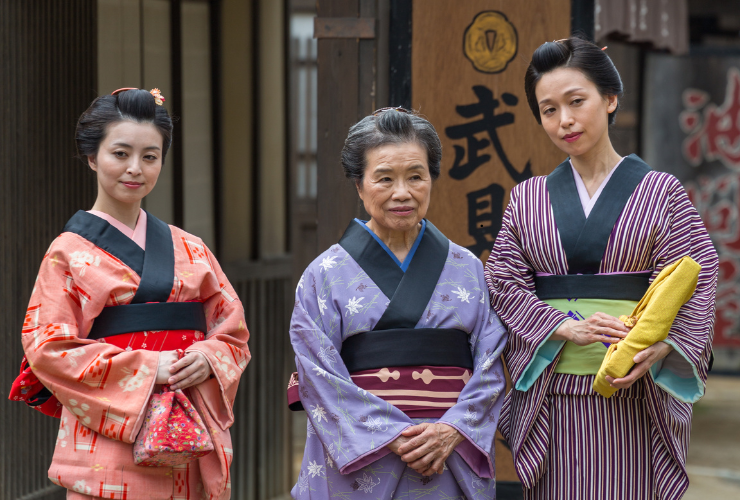
Japan consistently ranks among the world’s healthiest nations. Japanese women, in particular, boast some of the lowest obesity rates on the planet and routinely live well into their 80s and 90s — often looking decades younger than their actual age. This isn’t coincidence, genetics, or magic.
It’s a carefully woven tapestry of food culture, mindful habits, movement, skincare rituals, and philosophy — passed down through generations and deeply embedded in daily life. Let’s explore the remarkable secrets behind Japan’s extraordinary health and longevity.
You might like: Why Self-Care at 60 is More Than Just Bubble Baths
1. Eating with Intention — The Japanese Diet
The foundation of Japanese health lies in what’s on the plate. The traditional Japanese diet is rich in fish, fermented foods, vegetables, tofu, seaweed, and green tea — all anti-inflammatory, nutrient-dense, and remarkably low in calories.
Japan introduced the concept of Ichiju Sansai — “one soup, three sides.” Every meal is built around a bowl of miso soup and three small, varied dishes alongside a modest portion of rice. This natural portion diversity ensures a wide range of nutrients without overeating.
Fish — particularly oily varieties like salmon, mackerel, and sardines — is a staple protein source. These are loaded with omega-3 fatty acids that reduce inflammation, support brain health, and keep skin supple and glowing. Red meat is consumed sparingly, if at all.
2. Hara Hachi Bu — Eating to 80% Full
Perhaps the single most powerful dietary habit in Japan is the ancient Confucian principle of Hara Hachi Bu — eating until you are only 80% full. In Okinawa, the “land of immortals,” this practice has been observed for centuries and is strongly linked to reduced caloric intake and longevity.
“Before eating, Japanese people say ‘Itadakimasu’ — a moment of gratitude that anchors the act of eating in mindfulness, not urgency.”
Meals in Japan are typically eaten slowly, savored, and never rushed. Smaller plates and bowls naturally limit portions. Food is rarely eaten on the go — it is a ritual, a pause in the day, a moment of nourishment for both body and soul.
This mindfulness around eating prevents the overconsumption that plagues many Western diets. When you eat slowly, your brain has time to register satiety signals — and you simply eat less, naturally.
3. Walking as a Way of Life
Japan’s relationship with movement is woven into its urban design. Cities are built for walkers. Public transportation is excellent, which means most people walk to stations, climb stairs, and move far more than car-dependent societies.
The average Japanese person walks over 7,000 steps per day — not through structured gym sessions, but simply through the rhythm of everyday life. This consistent, low-impact movement keeps metabolism active, joints healthy, and weight stable without the stress of intense workout regimes.
4. The Art of Japanese Skincare
Japanese women are renowned globally for their luminous, ageless skin — and their approach to skincare is anything but superficial. It begins with a philosophy: preventative care over corrective treatment.
Sun protection is non-negotiable. UV-protective clothing, wide-brimmed hats, and daily SPF application are cultural norms, not afterthoughts. Since UV damage is the number one cause of premature aging, this single habit alone contributes enormously to Japan’s famously youthful skin.
The Japanese double-cleanse method — oil cleanser followed by a gentle foam wash — removes impurities without stripping the skin’s natural moisture barrier. Hydration layers are applied in thin, multiple steps using essences, serums, and lightweight moisturizers.
Traditional ingredients like rice water, camellia oil, green tea extract, and hyaluronic acid have been used for centuries. These are not trends — they are time-tested remedies backed by both cultural wisdom and modern dermatology.
5. Ikigai — A Reason to Wake Up
Perhaps the most underappreciated secret of Japanese longevity is psychological. Ikigai — loosely translated as “reason for being” or “the joy of living” — is the deeply personal sense of purpose that keeps Japanese women engaged, motivated, and vibrant well into old age.
Research consistently shows that a strong sense of purpose reduces stress, inflammation, and the risk of chronic disease. Japanese culture also prizes community, social bonds, and intergenerational connection — all protective factors against the isolation that accelerates aging in many societies.
“In Japan, retirement is not the goal — continued purpose is. Many Japanese women in their 70s and 80s are still teaching, crafting, gardening, and mentoring.”
The onsen (hot spring) culture, regular social tea gatherings, and strong neighborhood communities all contribute to lower stress hormones, better sleep, and a resilience that quietly, powerfully keeps the body young.
6. Green Tea, Fermentation & the Gut
Japan has long understood that a healthy gut is the cornerstone of overall health. Fermented foods — miso, natto, tsukemono pickles, and amazake — are everyday staples that seed the gut with beneficial bacteria, boosting immunity, reducing bloating, and supporting healthy metabolism.
Matcha and green tea are consumed multiple times daily, delivering a steady stream of EGCG — a powerful antioxidant that fights free radicals, reduces inflammation, boosts fat oxidation, and has been linked to lower rates of cancer, heart disease, and cognitive decline.
The Lesson Japan Offers the World
Japanese women don’t follow crash diets, obsess over calorie counts, or chase the latest wellness trends. Their health is the quiet, cumulative result of thousands of small, intentional choices — made every single day, for an entire lifetime.
It is a life philosophy as much as a lifestyle. And the beautiful truth is: these secrets aren’t exclusively Japanese. They are universal principles of nourishment, movement, mindfulness, and meaning — available to anyone willing to embrace them.


